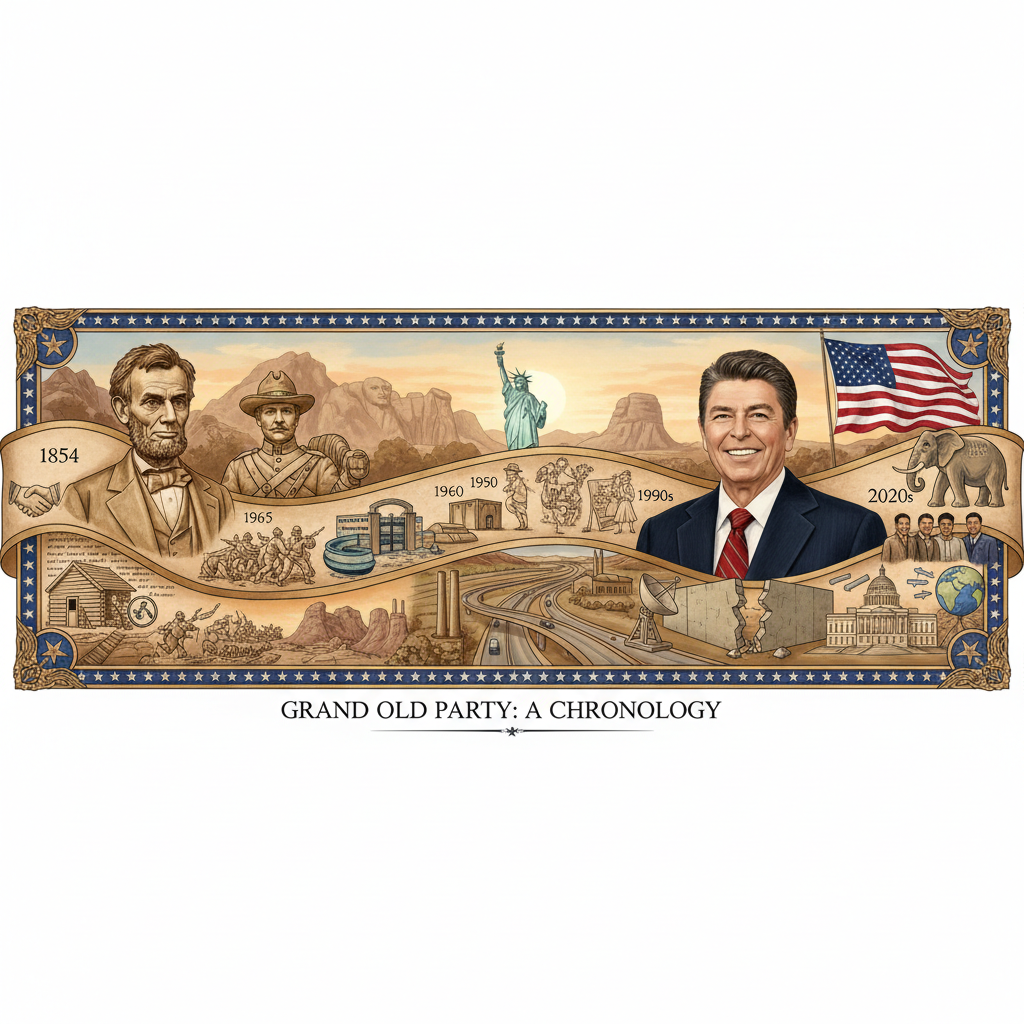
The Evolution of the Republican Party
The Republican Party, often referred to as the GOP (Grand Old Party), has played a pivotal role in American political history since its inception in the mid-19th century. Founded in 1854 as an anti-slavery party, it emerged from the ashes of several smaller political factions opposed to the expansion of slavery into the territories. Its first presidential candidate, John C. Frémont, laid the groundwork for the party's platform, which focused on the principles of free labor, opposition to slavery, and the promotion of a progressive social agenda. In 1860, Abraham Lincoln became the first Republican president, leading the nation through its Civil War and advocating for emancipation—a critical turning point in American history designating the party as one of the principal agents of social change.
Throughout the latter part of the 19th century, the Republican Party championed industrialization, economic growth, and pro-business policies. However, it also became embroiled in scandals and corruption scandals, especially during the Gilded Age. This period brought about a backlash from more populist sentiments, as reflected in the rise of the Democratic Party and the People's Party, emphasizing issues like workers' rights, economic equity, and reform.
By the mid-20th century, Ronald Reagan's presidency redefined Republican ideology through a focus on limited government, tax cuts, and conservative social values. The Reagan Revolution solidified the party's shift towards free-market policies and a more militaristic foreign stance, heralding a new era of conservative politics. The Republican Party's ongoing evolution reflects a complex negotiation of broad social goals, cultural values, and economic ideologies. With contemporary issues like immigration, healthcare, and climate change shaping political discourse, the GOP continues to navigate its identity and principles in response to the American electorate's shifting needs and values.
The history of the Republican Party is not merely a narrative of victories and defeats; it is a mirror reflecting the United States' changing character. As Republicans grapple with defining their principles in the face of evolving national challenges, the party remains a significant force in shaping America's future, from local communities to the national stage.