The Psychology of Love
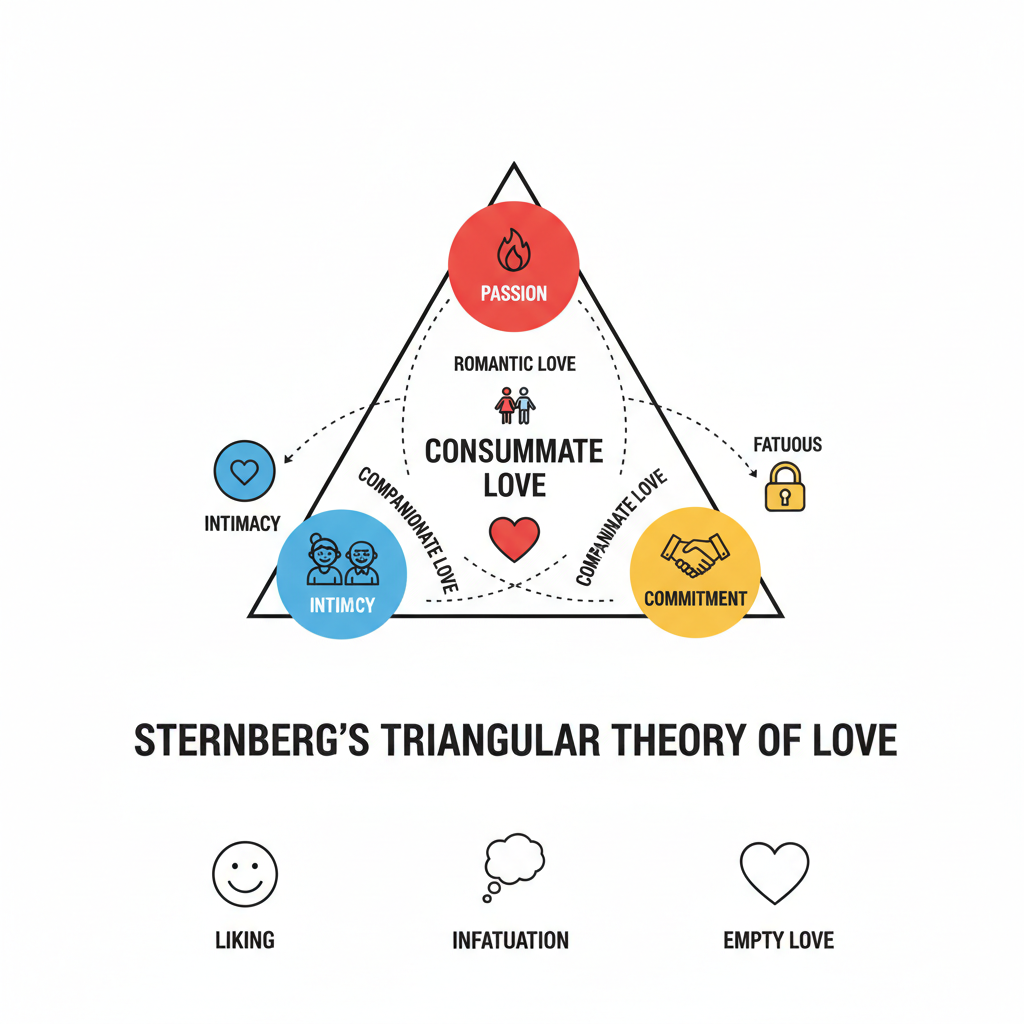
Understanding love through the lens of psychology provides fascinating insights into one of humankind's most complex emotions. Psychologists mention various theories explaining how love develops and evolves. One of the most notable theories is Sternberg's Triangular Theory of Love, which identifies three primary components: intimacy, passion, and commitment. According to Sternberg, the combination of these elements can lead to different forms of love, from infatuation to romantic love and ultimately to consummate love, which combines all three components.
Moreover, love’s psychological mechanisms, such as attachment styles, play a crucial role in determining how people connect with each other. Attachment theory, developed by John Bowlby, suggests that the bonds formed in childhood greatly influence adult relationships. For instance, individuals with a secure attachment style tend to be more satisfied and stable in their romantic relationships compared to those with anxious or avoidant styles.
A compelling study from the University of California found that childhood experiences significantly shaped relationship tendencies in adults. They discovered that those who experienced a loving and stable environment as children were more likely to seek out and foster healthy relationships in adulthood. These psychological frameworks grant us important tools to navigate the emotional landscape of love, helping individuals understand their desires and behaviors in romantic contexts.